

Blog > New Fannie Mae and Freddie Mac Condo Rules: What Buyers and Sellers Need to Know in 2026
New Fannie Mae and Freddie Mac Condo Rules: What Buyers and Sellers Need to Know in 2026
by

If you are thinking about buying or selling a condominium, there is an important change to understand in the 2026 real estate market.
Fannie Mae and Freddie Mac have introduced updated condominium lending standards that put more emphasis on the financial health, reserves, maintenance, and insurance of the entire condo project—not just the individual unit being purchased.
The changes are designed to encourage stronger financial planning and better long-term maintenance of condominium communities. However, they may also make the financing process more detailed for some buyers and could affect how condo associations manage their budgets.
For buyers considering a condo in Idaho, Wyoming, or elsewhere in the country, here is what you should know.
What Changed With the New Condo Rules?
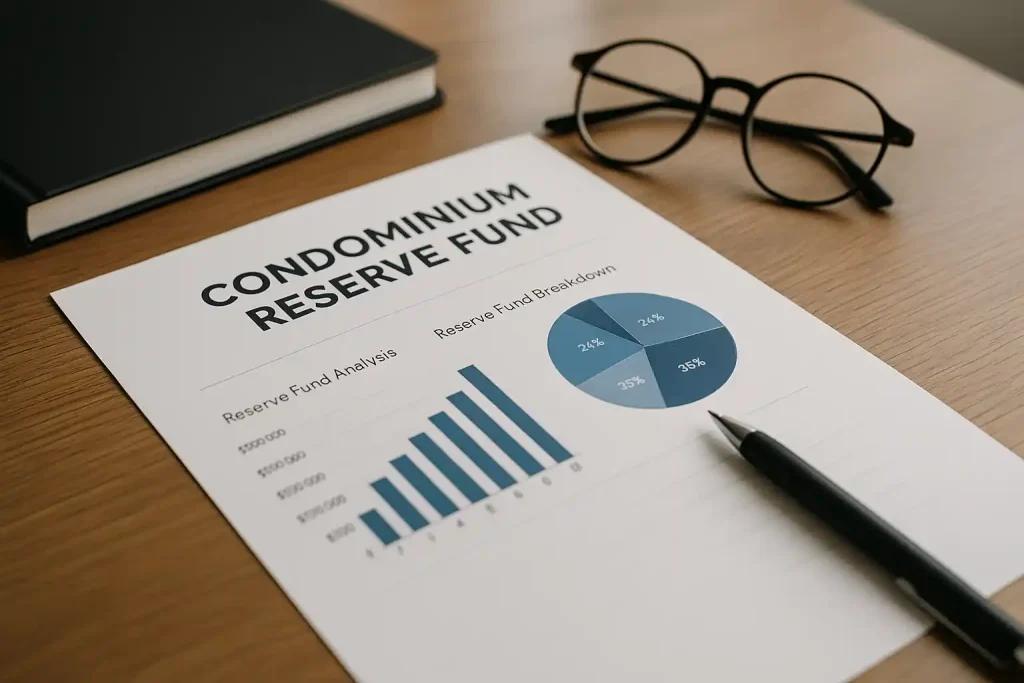
Fannie Mae announced its updated project standards in March 2026, with changes coordinated with Freddie Mac and the Federal Housing Finance Agency (FHFA). Some of the changes took effect in 2026, while the increased reserve requirement takes effect for applicable loans beginning January 4, 2027.
The major changes include:
- Retirement of the Limited or Streamlined Review process
- Higher replacement-reserve requirements
- Stronger reserve-study requirements
- Expanded review exemptions for some smaller condo projects
- Changes to investor-ownership requirements
- Updates to condominium insurance requirements
The goal is to reduce the risk of financing units in buildings that may have inadequate reserves, significant deferred maintenance, or other financial and physical concerns.
1. The Streamlined Condo Review Is Going Away
One of the most significant changes is the retirement of the Limited Review process under Fannie Mae and the Streamlined Review process under Freddie Mac.
For loan applications received on or after August 3, 2026, established condominium projects that previously qualified for the streamlined process generally need to go through a more comprehensive review or qualify for an applicable exemption.
Why does this matter?
Previously, some condo purchases could qualify for a less extensive review of the condominium project. Under the updated standards, lenders may need more information about the building and homeowners association before determining whether the project is eligible for conventional financing.
That means buyers may want to allow additional time for their lender to review the condo association's documents.
2. Condo Associations Will Need Stronger Reserves
Perhaps the most talked-about change is the increase in the replacement-reserve requirement.
Under the updated Fannie Mae and Freddie Mac standards, the minimum reserve allocation for capital expenditures and deferred maintenance is increasing from 10% to 15% of annual budgeted assessment income for applicable full project reviews.
For Fannie Mae, the new 15% requirement applies to loans using the Full Review process with application dates on or after January 4, 2027. Freddie Mac has announced the same effective date.
In simple terms, condo associations may need to set aside more money for future expenses such as:
- Roof replacement
- Exterior repairs
- Building systems
- Structural maintenance
- Major common-area improvements
- Other long-term capital expenditures
This could result in higher HOA dues for some communities.
While higher dues may not be welcome news for homeowners, stronger reserves can help reduce the likelihood of unexpected special assessments when major repairs are needed.
3. Reserve Studies Are Becoming More Important
A reserve study can help a condominium association estimate how much money it should be setting aside for future repairs and replacements.
The new rules place greater emphasis on these studies.
When a lender relies on a reserve study as an alternative to the standard reserve allocation, Fannie Mae requires the condo project's budget to include the highest recommended reserve allocation amount identified in the study. The baseline funding method can no longer be used for this purpose under the updated requirements.
Freddie Mac has adopted similar requirements, including the requirement that the highest recommended reserve allocation not be based on baseline funding.
For condo owners and buyers, this makes it increasingly important to understand not only the current HOA dues but also the association's long-term financial plan.
4. Smaller Condo Buildings May Have an Easier Path
Not every condo project will face the same level of review.
Fannie Mae expanded its waiver of project review to include certain new and established condominium projects with 10 or fewer units. For projects with five to 10 units, the project generally cannot be part of a master association or larger development to qualify for the waiver. Other eligibility, insurance, and project requirements still apply.
Freddie Mac also expanded its "Exempt From Review" option for certain condominium projects with five to 10 units that are not part of a master association. These projects must still meet specific eligibility requirements, including requirements relating to critical repairs, evacuation orders, and the project's general eligibility.
This could be particularly relevant in markets where smaller condominium developments are common.
5. Investor Ownership Rules Have Also Changed
There is also some good news for certain condo projects with investment properties.
Fannie Mae retired its 50% investor concentration limit for established projects reviewed through the Full Review option on investor loans. However, certain presale requirements for new condominium projects remain in place.
Freddie Mac likewise retired the 50% owner-occupancy requirement for investment properties in established condominium projects. Its presale requirements for new condo projects continue to apply.
This means some condominium buildings with a higher percentage of investment-owned units may have more financing flexibility than they did under the previous rules.
6. Insurance Requirements Have Been Updated
The 2026 changes also include updates to property insurance requirements.
For condominium project master insurance policies, Fannie Mae now allows lenders to use several methods to document that coverage is sufficient, including guaranteed replacement cost coverage, extended replacement cost coverage, an insurer-provided replacement cost estimate, or a project insurance risk appraisal.
Fannie Mae also changed certain deductible requirements and clarified when individual unit-owner insurance is required.
These changes are important because rising insurance costs have become a significant concern for many condominium associations.
A building may appear financially healthy based on its HOA budget, but insurance premiums and deductibles can have a major impact on the association's finances and on individual owners.
What Does This Mean for Condo Buyers?
If you're considering purchasing a condo, the biggest takeaway is this:
Don't look only at the unit. Look at the entire condominium project.
Before making an offer, talk with your lender about the project's eligibility and ask what documents may be required from the HOA.
It can also be helpful to review:
- Current HOA dues
- HOA budget
- Reserve fund balance
- Recent reserve study
- Recent meeting minutes
- Planned major repairs
- Current or potential special assessments
- Master insurance coverage
- Any pending litigation
- Delinquent HOA assessments
- Building inspection or engineering reports, when applicable
A beautiful condo in a well-maintained building can be an excellent purchase. But a financially strained association can create challenges for both current owners and future buyers.
What Does This Mean for Condo Sellers?

For sellers, the condition and financial health of the building may become an even bigger part of the sales process.
A buyer may be financially qualified and ready to purchase, but the transaction can still face complications if the condominium project does not meet the lender's eligibility requirements.
Sellers should consider working with their HOA or property management company to make sure important documents are readily available, including financial statements, budgets, insurance information, reserve studies, meeting minutes, and information about major repairs or assessments.
Being prepared can help avoid unnecessary delays once a buyer is under contract.
What About Condos in Idaho and Wyoming?

These changes are not limited to Florida or large metropolitan markets. Fannie Mae and Freddie Mac's conventional condo project standards can affect qualifying condominium transactions across the country.
That means buyers and sellers in places such as Teton Valley, Jackson Hole, and other Idaho and Wyoming communities should be aware of the changes when considering a condominium purchase or sale.
The impact will vary from one condominium project to another. A newer, well-funded association with strong reserves and good documentation may have little difficulty meeting the requirements. An older building with significant deferred maintenance, low reserves, or unresolved insurance issues may face greater challenges.
Because individual lenders are responsible for determining whether a specific project meets the applicable guidelines, buyers should always discuss the property with their lender early in the process.
The Bottom Line
The new Fannie Mae and Freddie Mac condo rules are changing the way condominium projects are evaluated for conventional financing.
The biggest takeaway isn't simply that "condo financing is getting harder."
Instead, the changes emphasize financial stability, adequate reserves, proper maintenance, and appropriate insurance.
For responsible condo associations, this could ultimately be a positive development. Stronger reserves and better long-term planning can help protect property values and reduce the risk of unexpected financial burdens for homeowners.
For buyers, it is another reason to look beyond the countertops, views, and floor plan and understand the health of the entire condominium community.
And for sellers, preparing HOA documentation early may help make the financing process smoother.
If you're considering buying or selling a condo in Idaho or Wyoming, it's a good idea to speak with your real estate professional and lender early so you understand how these updated requirements may affect your transaction.
This article is for general informational purposes only and is not intended to provide lending, legal, or financial advice. Condo project eligibility can vary by property and loan program. Buyers should consult their lender for the current requirements applicable to their specific transaction.
Sources
Fannie Mae, Lender Letter LL-2026-03: Updates to Project Standards & Property Insurance Requirements — March 18, 2026.
Fannie Mae – Project Standards
Freddie Mac, Bulletin 2026-C — March 18, 2026.